Tag: support

  • The Violence of Casual Words

    I saw my childhood friend standing on the other side of the road. We were meeting after almost two years.

    We both started walking towards each other hurriedly. We wanted to hug already. We had missed each other so much.

    The moment she saw me, she said,

    “Hey, you’ve become rounder!”

    My heart sank.

    I couldn’t say anything. I laughed, even though there was no joke to laugh at.

    If you pause for a moment, this probably reminds you of something familiar. Of how normal it is for us to comment on people’s bodies. How casually we highlight things that someone lives with every single day. We have played both these roles, many times in our lives.

    Acne. Pigmentation. Weight gain or loss. Greying hair. Balding head. Wrinkles. 

    The list goes on.

    What’s common about this list is that most of these things are not fully within someone’s control. They can’t be fixed overnight. They are constantly noticed, constantly judged, sometimes even by strangers. And you can almost always tell these are the very things someone already feels conscious about.

    Society makes sure you know when you don’t meet its standards. And sometimes, it does the opposite, it praises you excessively when you do. You can feel insecure for not fitting in, and strangely, insecure even when you fit in too well. As if having good skin, or the “right” body, itself becomes something to be evaluated. You are always under prying eyes.

    The point is not whether a feature is considered good or bad. The point is this: if something is already costing someone their peace of mind, then as a thoughtful human being, it’s important to stop commenting on it, as your sole right and responsibility to.

    A big no to unsolicited advice.

    A bigger no to pointing it out in public spaces.

    And an even bigger no if it’s the first thing you say to someone you haven’t met in a long time.

    Even if you believe you have an expert solution, pause. 

    Ask yourself – did they ask you? And if you genuinely want to help, ask for permission first. Make sure you are offering care, not discomfort.

    Don’t tell them how easy it is unless you can fix it in a minute.

    Don’t tell them to ignore it, because they already can’t.

    And if you feel an urge to share your opinion anyway, take it to the restroom. Say it to yourself in the mirror. Just because you have the ability to express doesn’t mean others owe you the emotional labour of listening to it.

    Now comes the more responsible and empathetic part.

    Without feeling loved despite their perceived flaws, people never feel safe enough to do something for themselves. 

    Safety is what allows growth, not shame. If the growth is made under pressure, then it leads to dissociation from your true self.

    You are not living then for yourself, you are performing for others. 

    And performers need a break too. You are you, not a performer, born to just get praises from others.
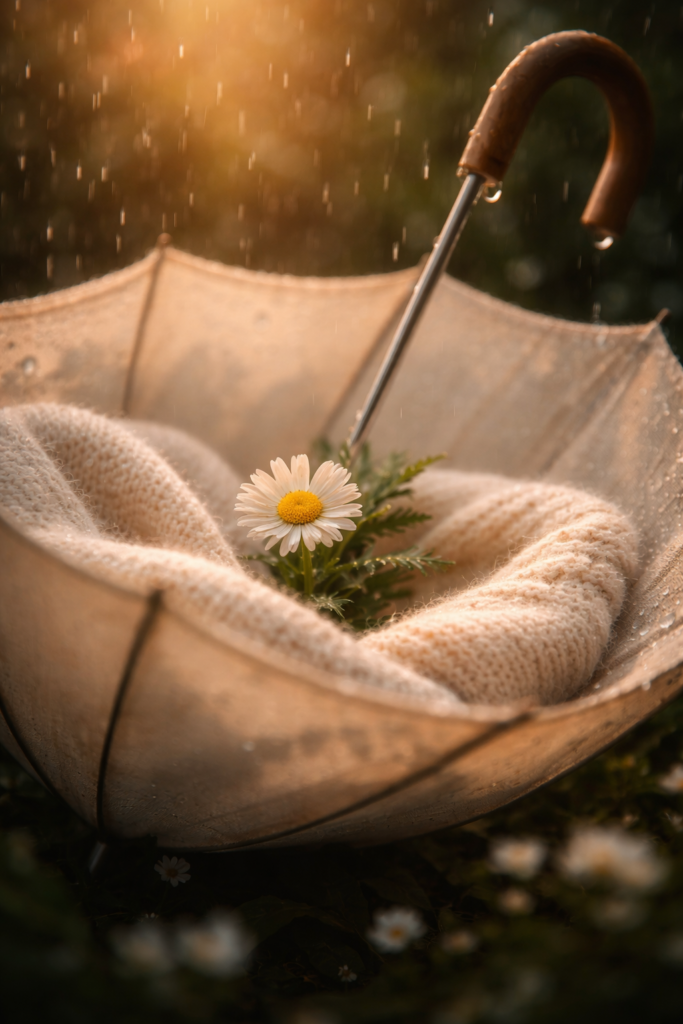
    Violence of words

    The most meaningful thing we can offer another human being is the assurance that they are worthy of happiness as they are.

    When people feel safe, something softens inside them. Not because they were corrected or reminded, but because they were met without judgment. 

    Safety doesn’t make people careless, it does the opposite. It gives them the space to listen to themselves, to notice what they need, and to care in ways that are self-directed rather than defensive. 

    Personal change grows best in environments where dignity is protected. And when care is offered without commentary, people don’t shut down, they show up. For themselves, and eventually, for the world around them.

    Something to remember:

    Most people are not failing at life, they are figuring it out in real time. They are carrying things they haven’t learned how to name yet, making choices with the tools they have today, not the ones they wish they had. 

    In such moments, kindness is not indulgence; it is orientation. 

    When we offer support instead of scrutiny, we give people the steadiness they need to find their own footing. And perhaps that is all care really asks of us, to walk alongside others while they learn, without rushing them, correcting them, or turning their becoming into a performance.

    After all the famous Buddhist monk, Thich Nhat Hanh, said once,

    “Compassion is a verb.”

  • The Illusion of Self-Sustainability: Why We Need Each Other

    Why I Don’t Want People to Solve All Their Problems on Their Own

    This is the 21st century, the era of ‘freedom’, ‘liberation from the dogmatic clutches of society’, and ‘independence from orthodox thoughts that hold people back’, or so we had hoped. But what have we actually become?

    ‘Independent’, ‘self-reliant’, not because these are the highest human values, but because our trust in others has eroded so profoundly. Ironic, isn’t it?

    Society was meant to evolve in a way that made human life easier, allowing us to spend less time on survival and more on higher pursuits, spiritual, intellectual, or even pleasure-seeking.

    Technological advancements were supposed to serve this goal, making our lives simpler so we could focus on building stronger, healthier communities.

    But instead of using our knowledge and progress to bring people together, we are weaponizing them to break down societies.

    Rather than fostering camaraderie, we are fueling cynicism, paranoia, and a worldview where other humans are seen as obstacles rather than allies.

    Historians may not have emphasized this enough, but community is not a luxury, it is a necessity. Even a digital community can offer immense support to its members.

    Yet, we were sold the idea that being a good human is optional, that we only need others as a matter of choice. However, research over the past few decades has continually proven that humans cannot function in isolation.

    From birth to even after death, where people continue to honor their ancestors, believing that love and responsibility transcend realms, our existence is deeply interwoven with others.

    The Fallacy of Self-Sustainability

    Today, we are increasingly told that we must be entirely self-sufficient: grow our own food, stitch our own clothes, maintain peak health so we never need external medical care, and even grow our own medicines if we fall sick.

    If we crave community, we are advised to chant mantras to remind ourselves that we were born alone and will die alone (which, ironically, is a misinterpretation of that ideology).

    The ultimate goal, it seems, is to live in isolation, rejecting society altogether.

    But should a life goal be so alienating that it requires us to forsake our true selves? Isn’t it already evident that people become bitter when they stray too far from their inherent social nature?

    We have all encountered so-called self-reliant or spiritually ‘enlightened’ individuals who appear emotionally hardened, untouched by human warmth.

    Have they mistaken detachment for strength?

    Do they believe that even God doesn’t cry?

    The problem with self-sustainability and extreme independence is that it distances us from other humans. The idea is often rooted in mistrust, fear, and cynicism rather than true empowerment.

    Yes, corruption and untrustworthiness exist. Yes, adulteration, unethical behavior, and deceit are real. But instead of fiercely advocating for a return to ethics, empathy, and accountability, we are retreating into isolated cocoons. The result?

    People cut themselves off, not just from toxic environments, but sometimes even from their own families and communities.

    The Natural Order: A Lesson from Biology

    Nature itself does not operate on self-sufficiency.

    The first example of the division of labor comes from biological evolution, the development of complex organ systems that work together to sustain life. Plants and animals thrive through intricate interdependencies.

    If we were meant to be entirely self-reliant, we would have remained amoebas, unicellular, shapeless, and alone.

    But we are not alone. Neither at a cellular level nor on a universal scale.

    So why this obsession with ‘making it to the end’ alone?

    The Psychological and Social Consequences

    Psychologists have documented countless cases of individuals struggling with mental and emotional distress, and one recurring factor hindering their healing is a lack of a healthy community.

    It is unrealistic to expect people to thrive in toxic environments, but the solution should not be complete isolation. Instead, the goal should be to build and nurture spaces where trust and authenticity can flourish.

    This goes beyond mental health, it extends to social well-being, too. Farmers grow our food. Businesses provide goods and services. Consumers drive economies. At every level of this chain, we are interconnected.

    A strong community is only as trustworthy and ethical as its members. Yet, the prevailing narrative tells us to disengage rather than repair, to abandon rather than rebuild.

    The Frustration Feedback Loop

    Conversations about modern life increasingly revolve around how difficult it is to rely on others. As a result, people turn inward, believing they must handle everything themselves.

    But this isn’t coming from a place of enlightenment, it stems from frustration and disillusionment. When others fail to meet basic expectations of cooperation and decency, the response is often, “If I can’t count on them, then I won’t be there for anyone either.”

    This creates a dangerous cycle. As trust erodes, people stop holding themselves accountable to others.

    The growing sentiment of “Let the world burn as long as my house is safe” is becoming not only acceptable but encouraged.

    There Is Still Hope

    Yet, all is not lost. There are still people who believe in the power of community, who understand that the most profound human experiences come not from isolation but from togetherness.

    We must share the blame collectively and spread hope collectively.

    Our core human nature, shaped by millennia of evolution, proves that we cannot thrive alone.

    A community is not just about collecting ‘likes’ on social media; it is about the people you share your days with, the ones who stand by you until the very end.

    It’s time to rethink what independence truly means. It should not be about detaching from others out of fear or disillusionment but about building relationships where trust, cooperation, and interdependence thrive.

    Only then can we move forward, not as fragmented individuals, but as a society that truly understands the strength of standing together.